Sorry I Can’t, My Plants Need Me – A Garden-Inspired Embroidery Design Review
As an experienced embroidery designer and product reviewer, I often find myself evaluating digital designs for their practicality, versatility, and visual impact in real-world projects. The “Sorry I Can’t, My Plants Need Me” garden quote design caught my attention not just for its humor but for how well it could translate into a variety of handmade and commercial applications. Let’s break down what this machine embroidery design brings to the table and where it shines—or where it might need a little more thought.
First Impressions: Personality and Layout
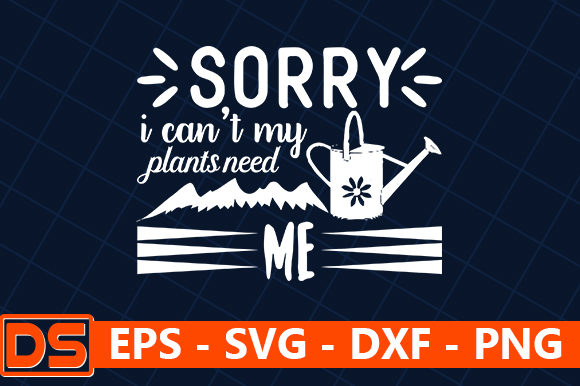
The first thing that stands out about this design is its cheerful tone and clear message. It’s a great example of how typography and imagery can work together to create something both functional and expressive. The phrase “Sorry I Can’t, My Plants Need Me” is delivered with a mix of whimsy and sincerity—perfect for crafters who want to add a touch of personality to their projects.
Visually, the layout is balanced and easy to read. The text is centered with a simple yet charming plant motif integrated either as part of the lettering or alongside it. This makes it ideal for projects like tote bags, aprons, or even custom sweatshirts where legibility is key. The design doesn’t feel cluttered, which is a big plus when considering how it will look after stitching.
Where It Naturally Fits
- Tote bag design: The size and layout make it perfect for front-facing embroidery on canvas totes, especially those marketed as eco-friendly or garden-themed.
- Sweatshirt embroidery: The contrast between thread colors and the design’s simplicity mean it could stand out well on soft fleece or cotton blends.
- Baby items: If adapted with softer fonts and pastel tones, this design could also be used for nursery decor or baby onesies with a gentle, humorous twist.
- Embroidered patch: With a bit of tweaking, the design could easily become a standalone applique for denim jackets, backpacks, or quilts.
Real-Life Performance in Embroidery Projects
When thinking about how this design would perform in actual embroidery work, several factors come into play. For instance, the stitch density seems moderate, which means it should handle most fabrics without becoming too stiff or distorting. That said, if you’re using stretchy materials like spandex blends or very thin linen, some adjustments may be needed to prevent puckering or stretching during the stitch process.
One of the strengths of this design is its adaptability across different products. Here are a few examples of how it might fare:
Custom Apparel
On t-shirts and sweatshirts, the design works best with a satin stitch outline and fill stitches inside the letters and plant elements. The clarity of the message depends heavily on thread color contrast, so choosing a light background fabric with dark thread (or vice versa) is essential. If you're an Etsy seller or running a small shop product line, this design can help your apparel offerings feel more personal and relatable.
Pillow Covers and Tea Towels
For decorative items like pillow covers or kitchen tea towels, the design adds a fun, homey vibe. Because these products are often viewed up close, the details matter. The machine embroidery file should include enough definition in the plant elements to avoid looking blurry or flat. Using a stabilizer is highly recommended, especially if you're working with textured or woven fabrics.
Personalized Gifts and Holiday Embroidery
This design has potential for holiday gifts or personalized items. Imagine adding a name or date next to the main phrase for a unique gift label or embroidered ornament. As a holiday embroidery piece, it feels modern and lighthearted compared to traditional seasonal motifs. However, keep in mind that the humor may not resonate with all audiences, so consider your target market before finalizing the project.
Commercial Use and Branding
If you're planning to use this as part of a commercial embroidery collection or craft business branding, the ZIP package includes multiple file types such as SVG, DXF, PNG, and EPS. These are standard for cut machines and digital embroidery files, which is great for creating printable mockups or preview images for online listings. Just remember to always check the licensing terms before selling finished products or digital assets—it's crucial for maintaining professionalism and legal compliance.
Where to Use It Carefully
While this design is versatile, there are specific situations where extra caution is needed:
- Small hoop sizes: The detail level suggests it might be better suited for larger hooping areas. If you’re trying to fit it into a tiny space, important visual elements could get lost.
- Dark fabric backgrounds: Without high-contrast threads, the design could appear washed out. Always test it on similar fabric before mass production.
- Curved surfaces like caps: Lettering placement needs to be adjusted for curves to maintain readability and aesthetic appeal.
- Dense stitch areas: If you plan to layer other embroidery over or under this design, pay close attention to stitch direction and spacing to avoid shadowing or distortion.
- Frequent washing: Designs with many small details or tight running stitches may degrade faster on garments or items used regularly. Opt for durable threads and proper backing techniques.
Design Notes for Practical Application
Before jumping into production, here are a few tips to ensure the best results from Sorry I Can’t, My Plants Need Me:
- Test on scrap fabric: Especially if you’re new to the design or unsure about thread/fabric compatibility.
- Review stitch directions: Make sure the satin and fill stitches flow smoothly and don’t cause tension issues.
- Confirm hoop size requirements: If they aren’t listed in the product description, do a quick search or contact the seller for specifics.
- Use proper stabilizer: This will help keep the design crisp and prevent fabric distortion.
- Inspect small details: Tiny leaves or dots in the design might not show up well on all materials—check them closely.
- Test in black and white: This helps assess how the design will look regardless of fabric color or lighting conditions.
Visual Appeal and Customer Engagement
From a visual standpoint, this design adds charm and character to any project. Its friendly, relatable nature makes it a strong contender for handmade product lines targeting hobbyists, plant lovers, and people who enjoy quirky, meaningful messages. When stitched cleanly, it enhances the overall product value and can increase buyer engagement by making the item feel more like a conversation starter than just another accessory.
However, the effectiveness of the design in boosting brand consistency or giftability will depend on how well it aligns with your overall style. If your brand leans towards minimalism, this design might feel too bold. But if you cater to a creative, playful audience, it could be a perfect fit.
Customer Trust and Professionalism
As a designer or apparel decorator, the quality of your embroidery project reflects on your professionalism. This design, when applied correctly, looks polished and intentional. But poor thread choices, incorrect stabilizer use, or ignoring fabric type can quickly turn it into a less-than-stellar finish. Customers notice the difference, and their trust in your handmade presentation is directly tied to the care you take in executing the design.
Final Thoughts for Creative Entrepreneurs
In short, the Sorry I Can’t, My Plants Need Me design is a solid choice for a wide range of crafts and graphics projects. Its balance of humor and aesthetics gives it broad appeal, and the included file formats offer flexibility for both cutting and embroidery purposes.
But don’t just take the design at face value. Think through how it will behave on your chosen fabric, whether the design assets support your intended use, and if the message fits the context of your finished product. Whether you're creating personalized gifts, boutique branding items, or selling digital embroidery files, a thoughtful approach ensures the best outcome for both you and your customers.
Ultimately, this design is a good candidate for tote bags, sweaters, and decorative accents—but always test, adjust, and tailor it to your specific embroidery project needs. With the right preparation, it can become a standout feature in your next creation.