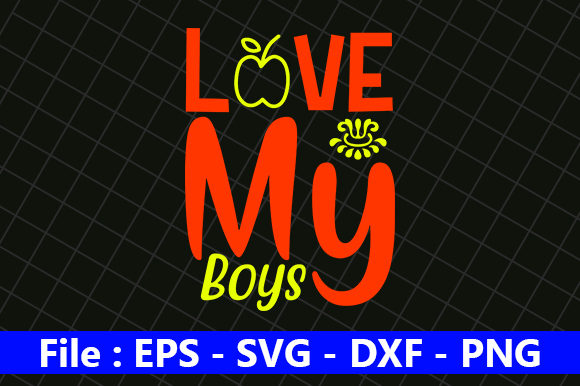
Love My Boys Embroidery Design Review
As a designer who spends more time than I care to admit staring at stitch density charts and testing thread tension, I approach every new embroidery file with a mix of excitement and skepticism. We have all been there: you find the perfect machine embroidery design, download it, and then spend an hour wondering if it will actually look good on the final product or just end up as a tangled mess in the hoop. Today, I am putting that practical lens on Love My Boys, a design that promises to hit a very specific emotional chord for crafters and small business owners alike.
This isn't just about pretty pictures; it is about functionality, marketability, and the tangible result when the needle stops moving. If you are an Etsy seller, a maker preparing for a craft fair, or someone looking to create a heartfelt personalized gift, understanding how this design translates from digital asset to physical reality is crucial. Let’s break down what makes Love My Boys work, where it shines, and where you might want to proceed with caution.
The First Impression: Mood and Market Fit
When you first open the files associated with Love My Boys, the immediate takeaway is its versatility within the sports-themed niche. It captures the universal pride of motherhood without being overly sentimental or cloying. The baseball quote theme is a staple in the handmade product market because it appeals to a broad demographic. It works for baby showers, birthday gifts, and everyday wear, making it a high-potential item for your craft business.
Visually, the design feels balanced. In the world of embroidery project planning, balance is everything. You do not want a design that feels too heavy on one side or so sparse that it looks unfinished after washing. This design strikes a nice middle ground. It has enough visual weight to stand out on a garment but remains clean enough to feel professional. For a small shop product like a tote bag or a sweatshirt, this clarity is vital. Customers can instantly recognize the sentiment, which drives engagement and sales.
The inclusion of multiple file formats—EPS, SVG, PNG, and DXF—means this isn't limited strictly to machine embroidery. While we are focusing on stitching here, knowing you have vector and raster versions allows you to create stunning printable mockups for your online listings. You can visualize how the design sits on a white tee versus a navy hoodie before you even thread your machine. This flexibility is a huge plus for any creative entrepreneur managing their brand assets.
Real-World Application: From Hoop to Hand
Let’s talk about actual use cases. Imagine you are preparing a batch of custom apparel for a local Little League season. You choose a soft, heather grey cotton blend sweatshirt. Placing Love My Boys on the chest area creates an instant connection with parents watching from the sidelines. The design’s layout likely accommodates standard placement spots well, ensuring it doesn’t get lost under arm seams or distorted by the curve of the shoulder.
Another strong candidate for this design is a tote bag design. Canvas bags are durable and popular for carrying gear, books, or baby essentials. When embroidered on a sturdy canvas, the threads hold up beautifully, adding a premium touch that justifies a higher price point. However, keep in mind the fabric texture. Canvas is thick, so you will need a robust stabilizer to prevent puckering. The contrast between the smooth thread and the rough canvas can look incredibly sophisticated if executed correctly.
For those selling custom apparel for infants, this design translates well to onesies or burp cloths. The scale needs to be adjusted carefully here. You do not want a massive logo covering the entire front of a baby shirt. A smaller, centered placement on the left chest or back neck area often feels more elegant and age-appropriate. This attention to scale demonstrates professionalism and builds trust with buyers who are gifting these items.
Technical Considerations and Potential Pitfalls
No review is complete without discussing where things can go wrong. Even the best design assets require proper preparation. Here are some critical factors to consider when working with Love My Boys.
- Hoop Size and Stitch Density: Always check the recommended hoop size for this design. If the design is large, ensure your machine can handle the digitization without excessive jumps. High stitch density can make a garment stiff, especially on delicate fabrics like thin cotton or jersey knits used for baby embroidery. If the design feels too dense, consider using a cut-away stabilizer to support the fabric during stitching and a tear-away for temporary backing.
- Fabric Contrast: Thread colors matter immensely. On dark fabrics, light threads provide excellent visibility, but you may need a backing layer to prevent show-through. On light fabrics, darker threads pop, but ensure the design elements are distinct. I recommend testing the design in black and white mockups to verify that the shapes remain recognizable regardless of color.
- Small Details and Lettering: Inspect the fine details closely. If the design includes small text or intricate graphic corners, test them on scrap fabric first. Tiny elements can sometimes merge together during the stitching process, especially if the satin stitch width is too narrow for the chosen thread thickness. If the lettering becomes illegible, the entire finished product loses its impact.
- Stretchy and Textured Fabrics: Avoid placing complex designs on highly stretchy materials like spandex blends unless you are using a specialized stabilizer and technique. Stretch can distort the geometry of the embroidery, causing lines to wobble. Similarly, heavily textured fabrics like chunky knits can hide the definition of the stitches, making the design look muddy.
Stitch Types and Visual Appeal
A well-digitized design uses a variety of stitch types to create depth and interest. Love My Boys likely utilizes a combination of fill stitch for solid areas, satin stitch for borders and text outlines, and perhaps running stitch for finer decorative accents. This variety prevents the design from looking flat.
When evaluating the visual appeal, think about how the light hits the threads. Satin stitches reflect light differently than fill stitches, creating a subtle sheen that adds luxury to the piece. This is particularly effective for holiday embroidery gifts or wedding favors, where presentation is key. A consistent thread color palette enhances the brand consistency of your shop, making your products instantly recognizable to repeat customers.
Final Verdict for Makers and Sellers
Ultimately, Love My Boys is a strong contender for anyone looking to expand their inventory of emotional, sports-themed goods. It is versatile enough for commercial embroidery projects yet intimate enough for personal keepsakes. Whether you are creating an embroidered patch for a denim jacket, decorating a kitchen towel for a housewarming gift, or designing a nursery decor piece, this file offers reliable performance.
Before committing to a full production run, always conduct your own tests. Check the licensing terms to confirm whether you can sell finished items made from this digital embroidery file. Confirm the technical specifications provided by the creator, such as exact stitch counts and required stabilizers, as these can vary based on your specific machine setup.
By paying attention to detail—from stabilizer choice to thread contrast—you can transform this simple design into a standout handmade product. It is not just about stitching a shape onto fabric; it is about crafting an experience for the recipient. With careful execution, Love My Boys has the potential to become a bestseller in your craft business, connecting with customers who value quality, sentiment, and style.