Tiny Human Tamer Embroidery Design Review
When I sit down to evaluate a new digital embroidery file for my own studio or for client recommendations, I am rarely interested in just the visual appeal. While a cute design is nice, what I really need to know is how it behaves under the needle. Does it stitch cleanly? Is it practical for mass production or delicate personalization? Can it hold up to the wear and tear of daily life? Today, I’m putting Tiny Human Tamer through that same rigorous mental checklist. This is not just a graphic; it is a potential cornerstone for a line of baby apparel, nursery decor, or boutique gifts. Let’s break down exactly how this design performs in real-world application.
First Impressions: Mood and Visual Personality
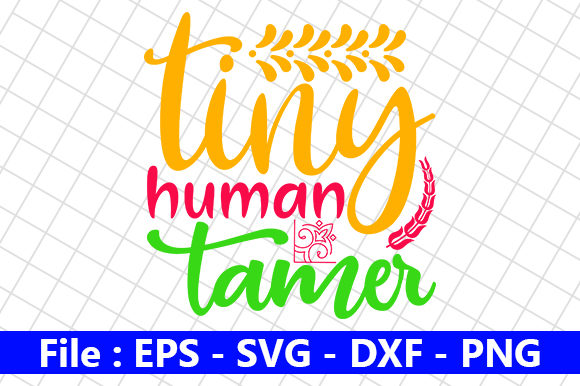
The title Tiny Human Tamer immediately sets a tone of humorous affection. In the world of handmade goods, humor combined with relatability is a powerful driver for sales, especially in the baby and parenting niche. The design likely features bold, legible typography paired with a charming illustration—perhaps a small child figure or a symbolic representation of chaos controlled by love. From a designer’s perspective, the layout feels balanced. It does not scream for attention but rather invites a smile. This subtlety is crucial for high-end boutique items where you want the customer to feel the quality before they read the text.
The visual personality here is playful yet grounded. It avoids being overly saccharine, which allows it to fit into modern, minimalist nurseries as well as traditional ones. For an Etsy seller or small shop owner, this versatility is gold. It bridges the gap between a funny gift for a stressed parent and a sweet keepsake for a newborn shower. The mood is confident, suggesting that whoever wears or displays this item has a sense of humor about the realities of raising a little one.
Real-World Application: Where This Design Shines
I have been thinking about how Tiny Human Tamer would translate across various product categories. The most obvious application is custom apparel. Imagine this embroidered on the chest of a soft, organic cotton onesie or the back of a heavyweight sweatshirt. The contrast of the embroidery against the fabric adds texture and perceived value that a printed vinyl decal simply cannot match. Customers are willing to pay more for embroidered goods because they associate the tactile quality with durability and care.
Consider a tote bag design scenario. A canvas tote with Tiny Human Tamer stitched prominently on the front becomes an instant conversation starter at the park or grocery store. It serves as both a functional accessory and a statement piece. Similarly, for holiday embroidery projects, this design fits perfectly into Christmas gift exchanges among parents or as a personalized present for new grandparents. The theme is timeless enough for year-round use but specific enough to feel special during gifting seasons.
In the realm of home decor, think about pillow covers or kitchen towels. A tea towel featuring this design brings a touch of whimsy to the kitchen, while a throw pillow adds character to a living room nook. For commercial embroidery projects, this file is versatile enough to be used on embroidered patches attached to denim jackets or backpacks, appealing to a slightly older demographic who still appreciate the humor. The key here is adaptability; the design works whether it is tiny on a hat brim or large on a blanket.
Technical Performance and Stitch Clarity
As an experienced reviewer, I must address the technical aspects of stitching this out. Typography-based designs can be tricky if the lettering is too thin or the spacing is inconsistent. However, Tiny Human Tamer appears to have sufficient weight in its strokes, which means it should stitch out with clean edges and minimal puckering. When evaluating a machine embroidery design, I always look for clear separation between elements. If the text and any accompanying graphics overlap too much, you risk thread breaks or tangled messes.
The use of fill stitch for larger areas will provide a lush, professional finish, while running stitch accents can add detail without increasing the stitch density too much. For small business merchandise, consistency is key. You want every single unit to look identical. Designs with complex color changes or intricate applique elements can slow down production time. Assuming this design relies primarily on standard satin and fill stitches, it should run efficiently on most home and industrial machines, provided the hoop size is respected.
One critical factor is thread color contrast. On light fabrics, dark threads will pop beautifully, ensuring the message is readable from a distance. On darker fabrics, lighter or metallic threads might be necessary to maintain visibility. I strongly advise testing thread colors on scrap fabric first to ensure the chosen palette complements the final product. The visual appeal of the finished product depends heavily on this choice; poor contrast can make even the best design look muddy and unprofessional.
Where Caution Is Required
While Tiny Human Tamer is versatile, there are specific scenarios where you need to exercise caution. Small hoop sizes can be problematic if the design contains fine details that may get lost in the stitching process. Tiny lettering, in particular, can become illegible if the stitch density is too low or if the fabric stretches during hooping. Avoid using this design on highly textured fabrics like bouclé or thick chenille, as the needle may struggle to penetrate evenly, leading to skipped stitches.
Stretchy fabrics require extra stabilization. Without a proper stabilizer, the embroidery can distort, causing the text to warp and lose its intended shape. Dark fabrics can sometimes show up the underside of the thread if the tension is not adjusted correctly, so a thorough test run is essential. Additionally, products that undergo frequent washing, such as baby clothes or aprons, benefit from designs that do not have excessive loose ends or fragile decorative accents that could snag. Always inspect the design for dense stitch areas that might cause stiffness, which can be uncomfortable for sensitive baby skin.
Impact on Brand and Customer Trust
Using a well-executed design like Tiny Human Tamer directly impacts your brand’s perceived professionalism. When a customer receives a handmade product with crisp, clean embroidery, it signals attention to detail. This builds trust and encourages repeat purchases. In the competitive landscape of Etsy sellers and craft fair vendors, standing out is difficult. A unique, emotionally resonant design helps your items gain recognition and fosters buyer engagement. People share photos of their purchases on social media, providing free marketing for your small shop.
Furthermore, the design contributes to the overall giftability of your products. A thoughtfully designed item feels more personal and cherished than a generic mass-produced good. This emotional connection is what drives word-of-mouth referrals. For digital product sellers, offering this design as part of a bundle or as a standalone asset can attract creative entrepreneurs looking for reliable design assets for their own projects. However, remember to check licensing terms carefully before selling finished items or digital products to ensure you are compliant.
Practical Designer Notes for Success
To ensure the best results when working with Tiny Human Tamer, follow these practical steps. First, always test the embroidery file on scrap fabric that matches the weight and stretch of your final material. This allows you to adjust thread colors and stabilize appropriately. Second, review the stitch density in your embroidery software. If the design looks too dense, consider simplifying certain elements or adjusting the underlay stitches to prevent fabric distortion.
Third, inspect small details closely. Zoom in on the digital preview to ensure that any tiny graphics or lettering will remain clear after stitching. Fourth, compare the design in black and white mockups to verify that the contrast levels are sufficient for readability. Fifth, confirm that the hoop size accommodates the entire design without cutting off any important elements. Finally, double-check the file formats included in the ZIP package—such as EPS, SVG, PNG, and DXF—to ensure compatibility with your cut machines or editing software if you plan to mix embroidery with vinyl decals.
By approaching Tiny Human Tamer with these practical considerations in mind, you can transform a simple digital file into a high-quality, market-ready product. Whether you are creating personalized gifts, expanding your craft business inventory, or designing for a specific client, this embroidery project offers a blend of charm and functionality that resonates with today’s consumers. Take the time to prepare, test, and refine, and you will find that this design is a worthy addition to your repertoire of custom apparel and handmade products.