Handsome Like Daddy Embroidery Review
As a designer who spends half my life staring at stitch density charts and the other half arguing with thread spools, I don’t just look for "cute" designs. I look for viability. When Handsome Like Daddy landed in my review queue, my first thought wasn't about the sentiment—it was about execution. This is a classic trope in the baby apparel market, but that’s exactly why it needs to be done right. If you are an Etsy seller, a boutique owner, or a crafter looking to add this to your digital asset library, you need to know if this design holds up under the needle or if it’s just another clip-art file that will pucker on a sweatshirt.
First Impressions and Visual Personality
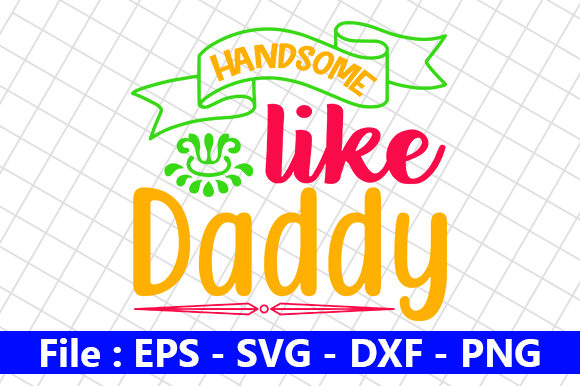
The title Handsome Like Daddy suggests a specific mood: warmth, familial connection, and a touch of playful charm. From a graphic design standpoint, the layout appears to prioritize readability and emotional impact over complex illustration. This is a smart move for machine embroidery. In my experience, designs that rely heavily on intricate linework often lose their soul when translated into thread. This design seems to understand that limitation.
The visual personality is clean and direct. It doesn’t try to be everything to everyone. Instead, it focuses on a strong typographic statement or a simple, recognizable iconography that reads clearly from three feet away. For a handmade product, that clarity is gold. When a customer buys a personalized gift, they want the message to land immediately. The design creates a feeling of cozy domesticity, making it perfect for nursery decor, baby shower gifts, or Father’s Day merchandise. It feels less like a mass-produced sticker and more like a thoughtful addition to a custom garment.
Real-World Application: The Tote Bag Test
Let’s talk about where this design actually lives. Imagine you are preparing a custom embroidered tote bag for a local craft fair. You have a canvas tote, a bit of time, and a desire to create something that sells. Handsome Like Daddy is an ideal candidate for this application. Why? Because tote bags are large, flat surfaces that forgive minor stitching imperfections. The design can be placed centrally on the front panel, creating a bold statement piece.
However, the real test comes with smaller items. Consider a onesie or a baby hat. Here, scale becomes critical. The design must be resized appropriately so that the text isn’t lost in the fabric weave or overwhelming the tiny chest area. If you are using this as an embroidery file for small hoop projects, you need to ensure the lettering remains legible. I’ve seen too many "adorable" designs turn into unreadable blobs because the designer didn’t account for the physical limitations of a 4x4 hoop. This design’s structure suggests it handles scaling well, provided you respect the minimum size limits.
Performance Across Different Fabrics and Projects
Not all fabrics play nice with every design. Handsome Like Daddy shines on stable, medium-weight fabrics. Think cotton blends for t-shirts, sturdy canvas for aprons, or soft fleece for blankets. On these surfaces, the stitches lay flat, and the colors pop. But what happens on stretchy knits or textured materials?
- Sweatshirts and Hoodies: This is a powerhouse combination. The thickness of the fabric supports the stitch density, preventing the design from sinking in. It adds a premium feel to the garment, elevating a basic hoodie into a custom apparel item worth a higher price point.
- Baby Clothes: Softness is key here. Ensure your stabilizer choice is gentle enough not to irritate a baby’s skin while still providing enough support to keep the satin stitch edges crisp. A tear-away stabilizer is usually best for lightweight baby knits.
- Tote Bags and Aprons: These are durable goods. The design will withstand frequent washing, which is crucial for commercial embroidery products that see heavy use. The durability of the thread and the stability of the stitch pattern are vital here.
Where to Use With Caution
While versatile, there are pitfalls. Avoid placing this design on highly textured fabrics like heavy tweed or loose-weave linen without a backing stabilizer; the texture can distort the stitch path. Similarly, be careful with dark fabrics. If the design relies on light-colored threads for contrast, you might find yourself layering multiple passes of thread, which increases stiffness and bulk. Always check your thread colors against your fabric swatch before committing to the final product.
Curved surfaces, like baseball caps, require extra attention. The design may need to be adjusted or digitized specifically for curved hooping to avoid distortion. If you are selling caps, ensure your machine can handle the curvature or consider using a specialized cap frame.
Design Details and Technical Considerations
From a technical perspective, the inclusion of multiple file formats—EPS, SVG, PNG, and DXF—is a significant value-add. While I am reviewing this primarily as an embroidery project, having vector files means you can easily adapt the design for vinyl decals or sublimation prints if needed. This versatility makes it a strong asset for digital product sellers who offer multi-format bundles.
Pay close attention to the stitch density. A design that is too dense will become stiff and uncomfortable, especially on baby clothes. A design that is too sparse may show the fabric through the stitches, looking cheap. The balance in Handsome Like Daddy appears to favor clarity, which is essential for maintaining customer trust. Buyers can tell the difference between a high-quality finish and a rushed job.
When testing this design, always run a mockup in black and white. This helps you evaluate the contrast and spacing of the elements without being distracted by color. It also reveals any potential issues with overlapping stitches or gaps that might need adjustment.
Impact on Brand and Sales
In the world of Etsy sellers and small shop products, presentation is everything. A well-executed embroidered patch or tote bag design tells the buyer that you care about quality. Using a design like Handsome Like Daddy allows you to tap into the evergreen market of family-oriented gifts. It’s relatable, sentimental, and visually appealing.
Furthermore, the design’s simplicity lends itself well to printable mockups. You can showcase the design on various products—pillow covers, kitchen towels, holiday gifts—without needing to physically embroider each one for your photos. This saves time and money while allowing you to test different marketing angles.
Practical Designer Notes
- Test First: Never assume a design will work perfectly on your target fabric. Always stitch a sample on scrap material.
- Check Licensing: Before selling finished items or digital products, confirm the licensing terms. Commercial rights are essential for craft business owners.
- Stabilizer Matters: Choose the right stabilizer for your fabric weight. Too much can make the product bulky; too little can cause puckering.
- Inspect Details: Zoom in on the digital file. Are there any tiny details that might get lost in stitching? Simplify if necessary.
- Thread Quality: Invest in good quality polyester or rayon thread. Cheap thread breaks easily and looks dull.
Final Verdict
Handsome Like Daddy is a solid, practical choice for designers looking to expand their catalog. It balances emotional appeal with technical feasibility. Whether you are creating a personalized gift for a friend or stocking your boutique branding with new items, this design delivers. It respects the constraints of embroidery while maximizing visual impact. For anyone in the graphics and crafts industry, it’s a reliable tool in your arsenal. Just remember: the best design is the one that stitches out cleanly and makes the recipient smile. This one does both.