Plant Smiles Grow Giggles Embroidery Review
When I sit down to evaluate a new digital asset for my embroidery studio, I am rarely looking for just "pretty." I am looking for viability. Can this design hold up in a real hoop? Will it translate well from a screen to thread? Does it add genuine value to a handmade product, or does it feel like filler? Today, I am putting Plant Smiles Grow Giggles through that same rigorous practical assessment. As a designer who frequently creates assets for small business owners and crafters, I view this piece not merely as a graphic, but as a potential component of a commercial workflow.
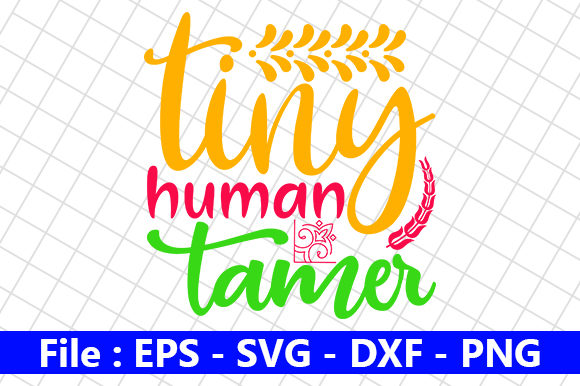
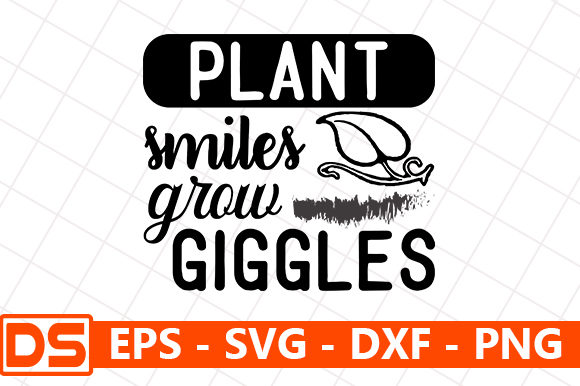
The concept is straightforward: a garden quote design centered around the phrase "Plant Smiles Grow Giggles." It falls squarely into the Crafts and Graphics categories, offering EPS, SVG, PNG, and DXF files intended for cut machines, vinyl, and scrapbooking. However, my focus here is strictly on its application as a machine embroidery design and how it performs when stitched into tangible goods. If you are an Etsy seller, a boutique owner, or a hobbyist maker, understanding the nuances of this file before you hit the stitch button is crucial for maintaining high standards in your finished product.
First Impressions and Visual Personality
Upon opening the file, the immediate takeaway is the cheerful, approachable mood. The typography feels organic rather than rigid, which suggests a design that relies heavily on clean lines and readable lettering. In the world of embroidery project creation, text is often the most challenging element to execute flawlessly. If the spacing is off or the font weight is too thin, the result can look cluttered or blurry after washing.
Plant Smiles Grow Giggles avoids these pitfalls by presenting a layout that feels balanced. The visual personality is warm and inviting, making it an excellent candidate for products that aim to evoke comfort or joy. It does not scream for attention with aggressive colors or complex shapes; instead, it whispers. This subtlety is a strength. It allows the design to serve as a focal point without overwhelming the garment or accessory it adorns. For designers looking to create a cohesive brand aesthetic, this kind of versatile, mood-setting artwork is invaluable.
Real-World Application Scenarios
To truly understand the utility of this design, we need to imagine it in action. Let’s consider a specific scenario: preparing a custom embroidered tote bag for a spring market pop-up. Tote bags are a staple for any craft business, but they present unique challenges regarding fabric stability and visible stitching area.
If I were to place Plant Smiles Grow Giggles on a canvas tote, the design’s clarity would shine. The phrase is likely large enough to be read from a distance, yet compact enough to fit neatly within standard hoop sizes. The contrast between the thread and the natural canvas would highlight the satin stitch details (if applied to outlines) or the texture of the fill stitches. Customers at a craft fair respond well to designs that feel personal and uplifting. A tote bag featuring this quote doesn't just carry groceries; it carries a sentiment. That emotional connection drives sales and builds customer trust.
Beyond totes, this design has strong potential for sweatshirt embroidery. Imagine a soft, heather-gray crewneck with the phrase centered on the chest. The relaxed fit of a sweatshirt pairs perfectly with the casual nature of the quote. It works equally well for baby embroidery projects, such as muslin blankets or bibs, where the gentle theme aligns with nursery decor trends. It is also a strong contender for holiday embroidery gifts, particularly for teachers or neighbors who appreciate gardening and humor. The versatility here is key—it is not niche enough to limit its appeal, but specific enough to feel curated.
Apparel and Home Decor Versatility
For the Etsy seller or small shop product creator, diversification is survival. This design allows you to cross-list items across multiple categories. You can offer it as a patch for denim jackets, a decorative accent on kitchen towels, or even as a framed piece if you incorporate proper backing techniques. The fact that the source files include formats suitable for cut machines means you can also produce vinyl versions for customers who prefer iron-on applications over traditional stitching, broadening your market reach.
However, success in these varied applications depends on execution. When creating a printable mockup to preview the design, ensure you are testing it against different fabric textures. A design that looks crisp on a white background may lose definition on a textured linen or a dark, dense cotton. Always compare light and dark fabric backgrounds during your planning phase to ensure the thread colors chosen provide adequate contrast.
Where Caution Is Required
No design is universally perfect, and Plant Smiles Grow Giggles has areas where a designer must exercise care. One primary concern is scale. If you attempt to digitize or stitch this design in a very small hoop size, the integrity of the lettering may suffer. Tiny lettering in embroidery is notoriously difficult to maintain legibility. If the curves of the letters become too compressed, the threads may overlap excessively, leading to puckering or a muddy appearance.
Additionally, be mindful of the fabric choice. Textured fabrics, such as heavy waffle-knit or boucle, can obscure fine details. Thin or stretchy fabrics require robust stabilizer usage to prevent distortion. If you are applying this to curved surfaces like caps or hats, the curvature can distort the perspective of the text unless the design is specifically digitized for that curve. Standard flat-digitized files may appear stretched or warped when applied to a rounded surface.
Dense stitch areas should also be evaluated. If the design includes significant fill stitches, running them on delicate fabrics without proper support can cause damage. Furthermore, for products that need frequent washing, such as aprons or baby clothes, the durability of the stitching is paramount. Loose ends or inadequate underlay can lead to premature wear. Always inspect small details closely before committing to a bulk production run.
Practical Designer Notes for Success
To get the most out of this digital embroidery file, follow these practical steps:
- Test on Scrap Fabric: Never assume a design will work perfectly on your final material. Stitch it out on a scrap piece of the exact fabric you plan to use. This reveals issues with tension, pull compensation, and color contrast immediately.
- Review Stitch Density: Check the density of the stitches in the design. If it feels too sparse, the fabric may show through. If it is too dense, the item may become stiff and uncomfortable. Adjustments in the digitizing software may be necessary to balance aesthetics with comfort.
- Confirm Hoop Size: Ensure the design dimensions fit comfortably within your machine’s maximum hoop size, leaving room for securing the fabric properly. A design that is too large may require re-digitizing or splitting the file.
- Inspect Small Details: Zoom in on the digital preview. Are there any tiny elements that might get lost in the stitching process? Simplifying these details can improve the overall finish.
- Check Licensing: Before selling finished items or using this as part of a commercial embroidery service, verify the license terms provided with the ZIP file. Some graphics allow personal use only, while others permit commercial resale of physical goods. Clear licensing protects your business from legal issues.
- Use Proper Stabilizer: The right stabilizer makes the difference between a professional finish and a amateur one. Use tear-away for stable woven fabrics and cut-away for stretchy materials to ensure long-term durability.
Final Verdict on Value and Appeal
Ultimately, Plant Smiles Grow Giggles succeeds because it understands its audience. It is not trying to be high art; it is trying to bring a smile. In the context of a handmade product, that emotional resonance is what converts browsers into buyers. The design assets are presented in a variety of formats, making them accessible to both traditional embroiderers and those who use cut machines for vinyl projects.
For the creative entrepreneur, this design offers a low-risk, high-reward addition to their catalog. It fits seamlessly into existing niches like gardening, motherhood, and home decor. By paying attention to the technical details—hoop size, fabric choice, and stitch quality—you can transform this simple graphic into a premium finished product that customers will cherish. It is a solid tool in the kit of any serious embroidery designer looking to expand their offerings with charm and professionalism.