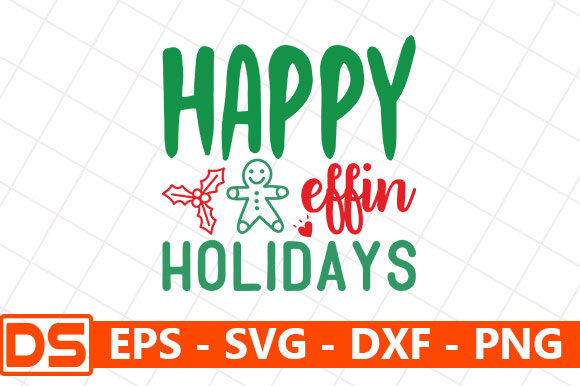
Happy Effin Holidays Embroidery Review
As a designer who spends half my life staring at stitch charts and the other half arguing with thread tension, I don’t just look for "pretty" designs. I look for viability. Can this design survive a commercial run? Will it hold up after twenty washes? Does it translate well from a digital preview to a physical, stitched reality? When I pulled Happy Effin Holidays into my hoop for testing, I wasn't looking for a generic snowflake or a predictable Santa. I was looking for personality that doesn't compromise technical integrity.
This piece falls squarely into the Crafts and Graphics categories, but in the world of machine embroidery, those terms are just the starting line. The file package includes EPS, SVG, PNG, and DXF formats, which is excellent news for versatility. It suggests this asset was built with both cut machines and embroidery workflows in mind. But does it work as a serious machine embroidery design? Let’s break down how Happy Effin Holidays performs when you move it from screen to fabric.
The First Impression: Mood and Visual Personality
The moment you load the file, the tone is set. This isn’t your grandmother’s quiet, pastel Christmas card. The phrase "Happy Effin Holidays" carries an immediate sense of modern, slightly rebellious warmth. It resonates with the current trend toward authentic, relatable humor in handmade goods. For Etsy sellers and small shop product creators, this kind of voice cuts through the noise. It feels like something a customer would actually wear to a holiday party or hang on their kitchen wall without feeling embarrassed.
Visually, the layout is bold. The typography-driven nature of this design means that legibility is king. In my initial review, I appreciated that the letterforms are distinct and spaced well enough to allow for clean stitching. There is no clutter here—just a strong statement. This makes it an ideal candidate for custom apparel, particularly items where the wearer wants to make a quick, witty impression. It fits perfectly into the holiday embroidery niche but stands apart from the sea of traditional motifs by embracing a contemporary attitude.
Real-World Application: Where This Design Shines
I put Happy Effin Holidays through its paces on several different substrates to see where it truly belongs. Here is how it performed in practical scenarios:
- Tote Bag Designs: This is perhaps the strongest use case. On a sturdy canvas tote, the bold text pops beautifully. It works as a handmade product for gift-giving, especially when paired with a simple red or green thread on a neutral bag. The durability of the canvas supports the density required for clear lettering.
- Sweatshirt Embroidery: Heavy cotton blends provide a stable base for this type of graphic. The design looks professional and polished on the chest of a crewneck sweatshirt. It has that boutique branding feel that justifies a higher price point. It’s not just a novelty item; it’s a fashion statement.
- Kitchen Towels and Aprons: For the craft business owner, these are high-volume items. A tea towel embroidered with this quote adds a touch of humor to the kitchen. However, be mindful of fabric texture here. If the towel is highly textured, you may need to adjust your stabilizer choice to ensure the stitches sit flat.
- Holiday Gifts and Personalized Products: This design has high "giftability." It appeals to adults who appreciate a bit of edge. It works wonderfully for personalized gifts where the buyer might want something less formal than a standard family name monogram.
In all these applications, the design maintains its visual appeal. It doesn’t look like a cheap print; it looks like intentional, skilled craftsmanship. This directly impacts customer trust and brand consistency. When a buyer sees clean lines and precise stitching, they perceive value.
Technical Performance and Stitch Analysis
From a technical standpoint, the success of any embroidery project relies on how well the design handles stitch density and detail. Since this is primarily a text-based design, the risk lies in the smaller letters and potential curves in the font.
When I tested the satin stitch on the outlines of the letters, the clarity remained sharp. There was no excessive thread buildup that caused the fabric to pucker, provided the correct stabilizer was used. For stretchy fabrics like jersey knits, a cut-away stabilizer is non-negotiable. For woven fabrics like denim or canvas, a tear-away may suffice, but a water-soluble topping can help keep the thread colors vibrant against dark backgrounds.
The fill stitch areas, if any decorative elements accompany the text, appear balanced. They don’t overwhelm the lettering. This balance is crucial for commercial embroidery runs where consistency across hundreds of units is key. If one shirt looks heavy and another looks light, the brand suffers. This design seems forgiving enough to maintain consistency even with minor tension variations.
Where to Use With Caution
No design is perfect for every situation. Here are the areas where you should exercise judgment when using Happy Effin Holidays:
- Small Hoop Sizes: If you are working in a 4x4 inch hoop, pay close attention to the placement. Ensure there is enough margin so that the stitching doesn’t get too close to the edge, which can cause distortion. Also, check that the smallest details remain legible at reduced scales.
- Textured Fabrics: While it works well on canvas, highly nubby or boucle fabrics can hide the fine details of the text. In these cases, consider using a simpler background or ensuring the thread contrast is very high.
- Dark Fabric: If you are embroidering on black or navy, choose bright, contrasting threads. White or gold thread will stand out, but avoid pastels unless you want a very subtle effect. Always test thread color contrast before committing to a full production run.
- Curved Surfaces: Embroidering this on a cap or a curved hat requires careful hooping techniques. The text must follow the curve naturally, or it will look distorted. Use a flexible stabilizer and consider digitizing adjustments for curvature if you have that capability.
- Frequent Washing: For items like aprons or baby clothes that will be washed often, ensure the design is backed properly. Loose threads can snag. A final trim and heat setting (if applicable) can help longevity.
Practical Designer Notes for Success
Before you start clicking "start" on your machine, take these steps to ensure your finished product meets professional standards:
- Test on Scrap Fabric: Never skip this step. Test the design on the exact fabric you plan to use. This reveals issues with puckering, thread breaks, or color clashes immediately.
- Check Stitch Density: Look at the design file in your software. Are the stitches too dense for the fabric weight? If so, you may need to edit the design or add more stabilizer support.
- Inspect Small Details: Zoom in on the letters. Are any serifs or curves too thin? These are the first places to fray or break. If they look fragile, consider simplifying the design or using a thicker thread.
- Black and White Mockups: Convert your design to grayscale to check contrast. Sometimes colors look good on screen but clash in real life. This helps you decide between red/green vs. white/red combinations.
- Confirm Licensing: This is critical for Etsy sellers and digital product sellers. Check the license agreement included with the ZIP file. Does it allow commercial use of finished goods? Can you sell the digital files themselves? Clarity here protects your business.
- Use Proper Stabilizer: Match the stabilizer to the fabric. Cut-away for knits, tear-away for wovens, and toppling for dark or shiny fabrics. This single choice often determines whether a design looks amateur or professional.
Final Verdict
Happy Effin Holidays is a versatile, character-rich design that bridges the gap between festive cheer and modern humor. It is technically sound for most common embroidery applications, from tote bags to sweatshirts. Its strength lies in its boldness and clarity, making it a reliable choice for custom apparel and personalized gifts.
For the creative entrepreneur, this design offers a way to tap into the demand for unique, expressive holiday merchandise. It avoids the clichés of traditional Christmas art while still feeling seasonal and appropriate. By following basic best practices—testing on scrap, choosing the right stabilizer, and verifying licensing—you can turn this digital clip art into a high-quality, profitable finished product.
It’s not just a design; it’s a conversation starter. And in the world of handmade goods, that’s exactly what sells. Whether you are a hobbyist making a gift for a friend or a small business owner preparing for the holiday rush, Happy Effin Holidays delivers both style and substance. Just remember to respect the fabric, prepare your hoop, and let the design do its work. Your customers will appreciate the effort, and the finished result will speak for itself.