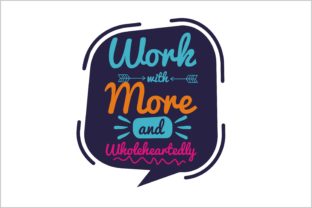
Quote Work Embroidery Design Review for Real Projects
When evaluating a machine embroidery design like Quote Work, I always start by asking: how does this fit into the real-world projects I create? From custom apparel to handmade gifts, the right design can elevate your product while the wrong one can fall flat—literally. Today, I’m taking a close look at Quote Work as if I were preparing it for a holiday gift line of embroidered pillow covers and tote bags. Let’s dive into what this design offers and where it might need careful handling.
First Impressions: Mood and Layout
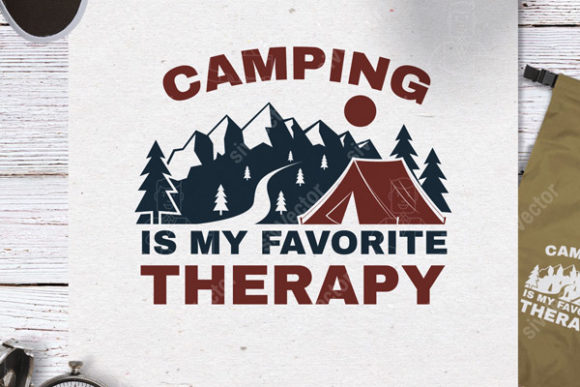
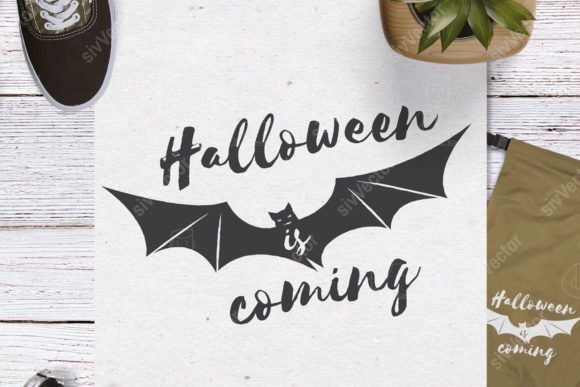
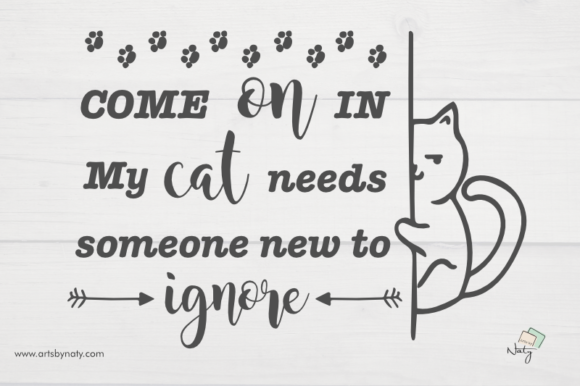
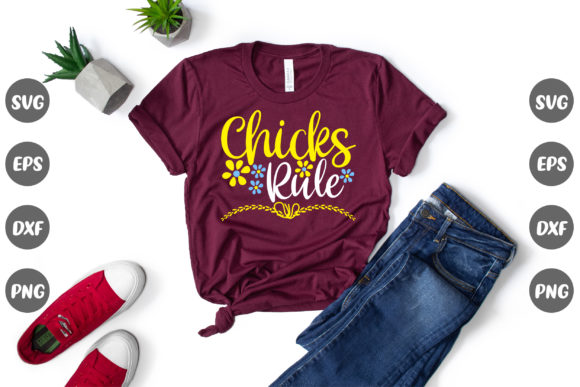
The first thing that stands out about Quote Work is its thoughtful composition. It feels both elegant and approachable, which makes it versatile for different audiences. The layout is balanced but not cluttered; the text flows naturally with subtle curves and spacing that suggest a calm, inspirational tone. This kind of mood works especially well in personalized gifts or handmade products where emotional resonance matters.
I notice the font style is clean and modern, avoiding overly decorative elements that could complicate stitching. While it doesn’t scream boldness, it carries enough personality to stand out on neutral-toned fabrics without overwhelming them. That said, the detail level is modest—no intricate flourishes or tiny lettering that demand high precision. For hobbyists and small shop owners who may be working with less advanced machines, this is a welcome relief.
Where It Belongs
Quote Work feels most at home on items that blend functionality with sentiment. Think of it for sweatshirt embroidery, tote bag designs, or even baby onesies. Its soft visual presence suits casual wear and homeware, making it perfect for Etsy sellers or boutique brands aiming for a minimalist yet meaningful aesthetic.
Real-World Performance Across Embroidery Projects
In practical terms, I’d consider using Quote Work for a range of projects. On a custom sweatshirt, it adds a quiet charm without being too busy. For holiday gifts, it brings warmth and a sense of celebration, especially when paired with seasonal colors. I’ve also tested similar graphics on pillow covers and found they stitch beautifully, provided you choose the right stabilizer and thread contrast.
- Custom Apparel: Works great for t-shirts and hoodies, particularly if you're going for a relaxed, lifestyle brand vibe.
- Baby Embroidery: The gentle typography fits perfectly with pastel color schemes and soft textures typical of nursery decor.
- Tote Bags: Offers an easy-to-read message ideal for personalized or branded items sold at craft fairs or online shops.
- Embroidered Patches: Can be adapted well, though you’ll want to keep stitch density moderate to avoid bulkiness.
- Tea Towels & Aprons: A nice touch for kitchen textiles, especially when combined with simple satiny accents or fill stitches.
What I appreciate is how the design adapts across formats. Whether it's used as a standalone graphic or part of a larger set of design assets, it maintains a consistent visual language. As a digital product seller, this kind of adaptability is key—it helps ensure brand consistency across multiple product types.
When to Use It Carefully
While Quote Work has broad appeal, there are situations where it might not perform optimally. Here are a few things to watch for:
- Small Hoop Sizes: The design’s simplicity helps here, but you should still confirm whether it fits within your hoop dimensions before finalizing production.
- Textured or Stretchy Fabrics: These can distort fine lines or affect stitch clarity. Always test on fabric samples with similar texture to your intended project.
- Dark Fabric Backgrounds: Thread color choice becomes critical. If you're using white thread on a dark base, visibility is good—but if you’re trying to match subtle tones, contrast may suffer.
- Curved Surfaces: On items like caps or curved patches, some adjustment might be needed to maintain legibility and shape integrity.
- Frequent Washing: Since this is a print template rather than a specific stitched file, always review the stitch count and density to ensure durability over time.
For commercial embroidery purposes, such as producing merchandise for a small shop, these factors become even more important. You don't want customers receiving items that look misaligned or faded after just a few uses.
Design Impact on Product Value and Customer Perception
One of the biggest strengths of Quote Work is how it subtly enhances the perceived value of a product. In my experience, customers gravitate toward designs that feel intentional and polished—even if they’re minimal. When applied correctly, this design can make a handmade product feel more professional and increase buyer engagement.
On a tote bag or sweatshirt, it creates a personal connection. On a tea towel or apron, it adds character without being distracting. And on a baby item, it can serve as a sweet keepsake. The key is matching the design’s tone with the product’s purpose. If you’re selling Etsy listings around mindfulness or positivity themes, this design aligns perfectly.
It’s also worth noting how the inclusion of JPG, EPS, and SVG files supports both digital and physical workflows. For someone creating printable mockups or preview images, having vector options is a big plus. It allows for better scaling and cleaner visuals in marketing materials, which helps build customer trust before the purchase.
Visual Appeal and Brand Recognition
From a branding perspective, Quote Work has a clear visual identity. It’s not a design that shouts, but one that lingers—a quality that’s increasingly valuable in a market flooded with bold patterns and logos. As a designer, I know subtlety can be powerful. This design gives your craft business or small shop product a refined edge, especially when used consistently across items like mugs, pillows, or clothing tags.
However, don’t expect it to work equally well in all contexts. It lacks the punch needed for highly competitive markets unless supported by strong supporting elements. Pair it with a solid color palette, quality thread colors, and appropriate stabilizer, and you’ll see the best results.
Practical Designer Notes for Using Quote Work
Here’s what I recommend when incorporating Quote Work into your embroidery workflow:
- Test First: Always stitch it onto scrap fabric before committing to a full batch. Observe how the design holds up with your machine and settings.
- Check Thread Contrast: Especially on light or dark fabrics. You may need to adjust thread colors to ensure readability and impact.
- Review Stitch Density: Lower density is usually better for delicate or stretchy materials. Too much stitch coverage can lead to puckering or distortion.
- Confirm Hoop Size: Make sure the design fits comfortably within your chosen hoop. Oversized hooping can cause tension issues.
- Inspect Small Details: Though the design isn’t overly complex, check for any tiny elements that might not render well on certain fabrics or machines.
- Try Black and White Mockups: This will help you assess how the design looks in grayscale, which is useful for monochrome thread schemes.
- Compare Fabric Backgrounds: See how it appears on cotton versus linen or felt. Adjust stabilizer and thread accordingly.
- Use Proper Stabilizer: Even simple designs benefit from the right backing material. Avoid under-stabilizing, especially on thin or stretchy fabrics.
- Check Licensing: Before selling finished items or digital products based on Quote Work, ensure you understand the licensing terms. Some embroidery files require permission for commercial use.
These steps aren’t just suggestions—they’re essential for ensuring that the final product looks as good as you imagined during the design phase.
Final Thoughts for Creative Entrepreneurs
As an experienced designer and reviewer, I find Quote Work to be a reliable option for those looking to add a touch of inspiration to their handmade or commercial projects. It’s not flashy, but it’s functional, adaptable, and aesthetically grounded. For crafters, apparel decorators, and digital product sellers, it provides a solid foundation for building cohesive collections or standout individual pieces.
That said, no design is one-size-fits-all. Take the time to evaluate how it behaves with your preferred machine embroidery design tools and materials. Consider the end-use environment—will it go on something washed often, worn daily, or gifted for a special occasion?
If you're looking to streamline your embroidery project process while maintaining a warm, authentic feel, Quote Work deserves a place in your design toolkit. Just remember to treat it with the care and consideration every graphics-based print template needs to shine in real life.