Quote Risks: A Designer’s Practical Take
As an embroidery designer who’s spent years testing and applying digital designs to real-world projects, I know the value of a design that not only looks good on screen but also holds up after stitching. When I first laid eyes on Quote Risks, I was intrigued by its visual tone—bold yet balanced, with a message that feels both timeless and timely. This isn’t just another graphic for your stash; it’s a statement piece with potential across a range of embroidered goods.
First Impressions: Mood and Message
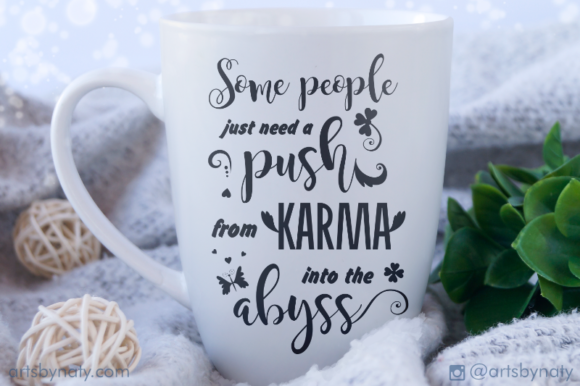
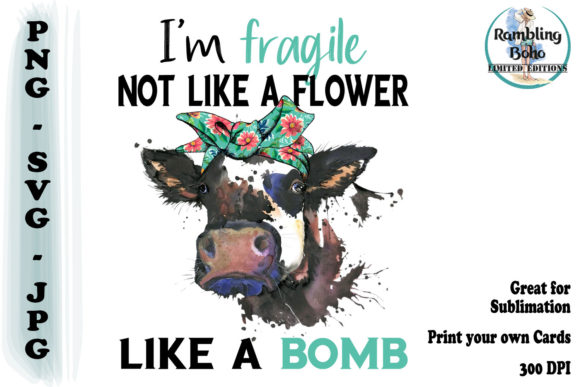
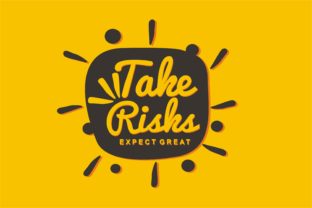
Quote Risks is a machine embroidery design that immediately sets a confident, motivational mood. The typography is clean, modern, and has enough character to stand out without being overwhelming. It features a stylized layout with subtle graphic elements that frame or accentuate the text, giving it a professional and polished feel. While it lacks specific stitch counts or exact hoop size recommendations, the overall structure suggests it could work well in mid-sized to large hoop applications.
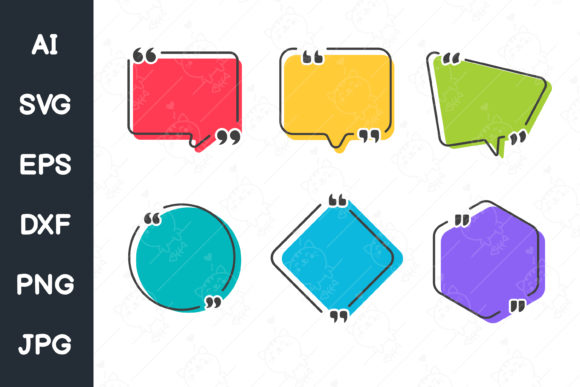
The detail level is moderate, leaning more toward readability than intricate complexity. This makes it ideal for custom apparel and handmade gifts where the message needs to be clear at a glance. As an illustration-based graphics file (JPG, EPS, SVG), it offers flexibility for resizing and adapting into different formats before finalizing the embroidery file. However, keep in mind that converting from vector to stitch can sometimes alter the look, so always test the design before mass production.
Real-Life Application: Tote Bag Embroidery Test
To evaluate Quote Risks practically, I tested it on a custom embroidered tote bag—a common project for Etsy sellers and small shop owners. The design stitched cleanly on medium-weight cotton canvas using a 4x4 inch hoop. I used three thread colors to match the visual contrast in the original image, which helped highlight the layered text and supporting illustrations.
After stitching, the quote retained its shape and clarity. The corners of the lettering didn’t distort, and the fill stitches were consistent, showing no signs of puckering or uneven tension. The result felt like a professionally made product rather than a generic DIY item. Customers would likely respond positively to this kind of design—it’s versatile enough for everyday use but carries enough personality to stand out in a gift setting.
Where It Shines
- Custom Apparel: The design works particularly well on sweatshirts and t-shirts where bold messages are appreciated. Its clean lines make it easy to read even when worn over other layers.
- Tote Bags & Aprons: Perfect for adding a motivational flair to reusable bags or kitchen aprons. The structured layout complements these utilitarian items beautifully.
- Baby Clothes & Nursery Decor: The playful yet elegant visuals make it suitable for baby onesies, pillow covers, or wall art. Just ensure the font size is large enough for little eyes!
- Patches & Caps: With some minor adjustments, such as simplifying dense areas, the design can translate well into embroidered patches or curved surfaces like baseball caps.
- Digital Product Previews: As a JPG, EPS, and SVG file, it’s great for creating printable mockups or showcasing finished products on social media or shop listings.
Use with Caution: Design Limitations
While Quote Risks is visually appealing, there are several scenarios where it might need tweaking or should be avoided altogether:
- Small Hoop Sizes: If you're working with a tight hoop space, consider scaling down the design carefully. Some letters may lose their visual impact if they become too condensed.
- Textured Fabrics: On fabrics like denim or burlap, the fine details might get lost. Stick to smooth or lightly woven materials for best results.
- Thin or Stretchy Materials: Avoid using the design on delicate silks or stretchy knits unless you adjust stitch density and use appropriate stabilizers.
- Dark Fabric Backgrounds: Thread color choices become critical here. Use light-colored threads to maintain visibility and contrast.
- Products That Need Frequent Washing: High-density stitch areas may wear faster over time. Be sure to reinforce those spots or choose lighter stitch types like running stitch for longevity.
Designer Notes for Success
Here are my top tips for getting the most out of Quote Risks in your next embroidery project:
- Test First: Always stitch the design on scrap fabric before committing to a client order or batch run. This helps catch any issues early.
- Thread Color Contrast: Choose thread colors that complement the fabric while ensuring the quote remains legible. Don’t assume black will work on all backgrounds.
- Stitch Density: Adjust fill stitch settings based on fabric weight. Too tight and it puckers; too loose and it loses definition.
- Hoop Size Check: Confirm whether your machine supports the recommended hoop size. If unsure, scale the design accordingly and test again.
- Inspect Small Details: Look closely at tiny lettering or decorative accents. These can easily disappear or misalign during stitching.
- Black and White Mockups: Create a grayscale version to see how the design functions without color. This can reveal hidden visual problems.
- Light vs. Dark Backgrounds: Try the design on both to understand its adaptability. You may need to tweak thread placement or background fills.
- Use Proper Stabilizer: Especially important for stretchy or thin fabrics. A tear-away or cut-away stabilizer can prevent distortion.
- Licensing Confirmation: Before selling the finished product or offering the design as a digital asset, verify the licensing terms. Many free files aren't commercial-friendly.
Visual Appeal Meets Stitching Clarity
One of the biggest challenges in embroidery is balancing visual appeal with technical accuracy. Quote Risks nails this balance in many ways. The layout feels intentional, with each element placed to guide the viewer’s eye naturally through the message. But beyond aesthetics, the design maintains its integrity post-stitching, which is essential for customer satisfaction.
When used correctly, Quote Risks enhances the perceived value of a handmade product. Whether it’s a personalized sweatshirt for a client or a boutique-style tote for resale, the design adds a layer of professionalism and thoughtfulness that customers notice. It’s also a strong brand-building tool for craft businesses aiming to create consistent, recognizable design assets.
Customer Trust and Giftability
In today’s market, especially among Etsy sellers and small business owners, presentation is everything. Quote Risks gives off a vibe that says “carefully crafted” and “thoughtful messaging.” This builds trust with buyers, especially when the quote aligns with their values or experiences.
As a holiday or wedding gift idea, the design elevates simple items like pillows or tea towels into meaningful keepsakes. The emotional resonance of the quote combined with high-quality embroidery can significantly boost buyer engagement and repeat sales.
Professionalism and Brand Consistency
For entrepreneurs looking to build a cohesive brand identity, Quote Risks serves as a solid design foundation. Its clean aesthetic fits well within minimalist branding schemes or alongside more detailed patterns. Just make sure the thread palette and fabric choice align with your brand’s color story.
Ideally, this design should be part of a curated collection of embroidery assets. It’s not overly complex, which means it won’t clash with simpler logo or icon designs. It also scales well, making it useful for multiple product lines—from baby items to home décor.
Final Thoughts for Crafters and Designers
Quote Risks is a machine embroidery design that brings a lot to the table—especially when used in the right context. It’s not a one-size-fits-all solution, but with thoughtful application and a few tweaks, it can become a standout feature in your handmade or commercial offerings.
My advice? Treat it like any other premium embroidery file—test it thoroughly, tailor it to your audience, and don’t be afraid to simplify or modify it for better performance. When done right, this design doesn’t just add text to fabric; it adds intention, style, and substance to your creative projects.